
National Parks
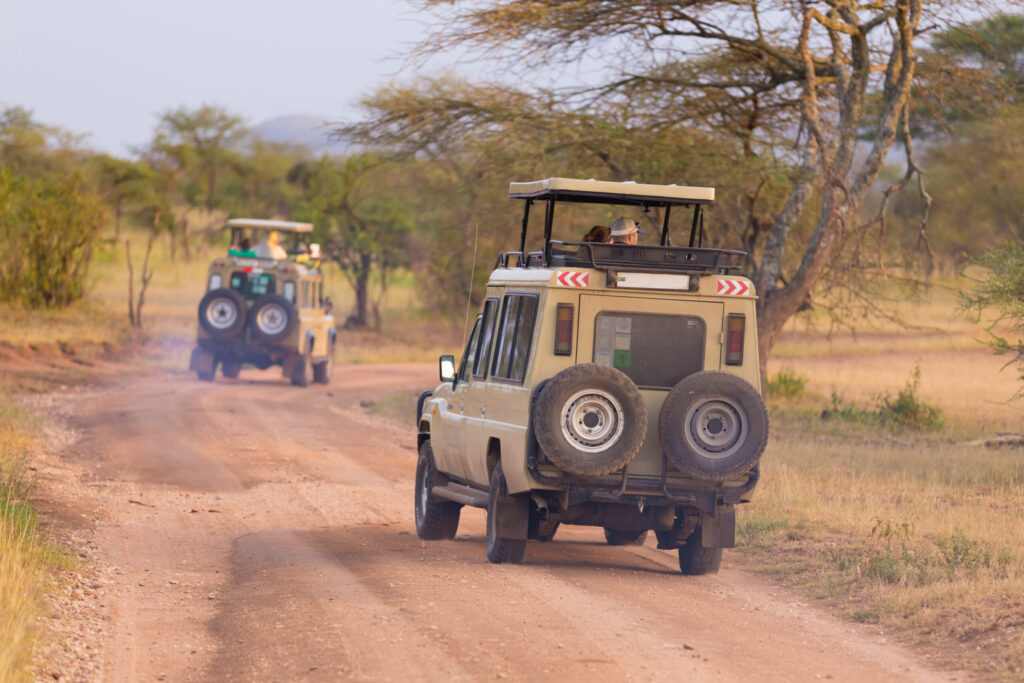
Experience Kidepo Valley National Park
Kidepo Valley National Park: Uganda’s Ultimate Wilderness Experience
Kidepo Valley National Park is Uganda’s most remote and least explored national park, yet it is widely regarded as one of Africa’s most breathtaking wilderness areas. Located in the semi-arid valleys of Karamoja, the park borders South Sudan to the northwest and Kenya just 5km to the east, sitting approximately 700km from Kampala.
First gazetted as a national park in 1962, Kidepo is a true safari gem, boasting an incredible variety of big game, unique landscapes, and rich birdlife. It is home to over 77 mammal species and an impressive 476 bird species, making it a prime destination for wildlife lovers and adventure seekers.
Experience Bwindi Impenetrable Forest
Bwindi Impenetrable National Park: The Heart of Gorilla Conservation
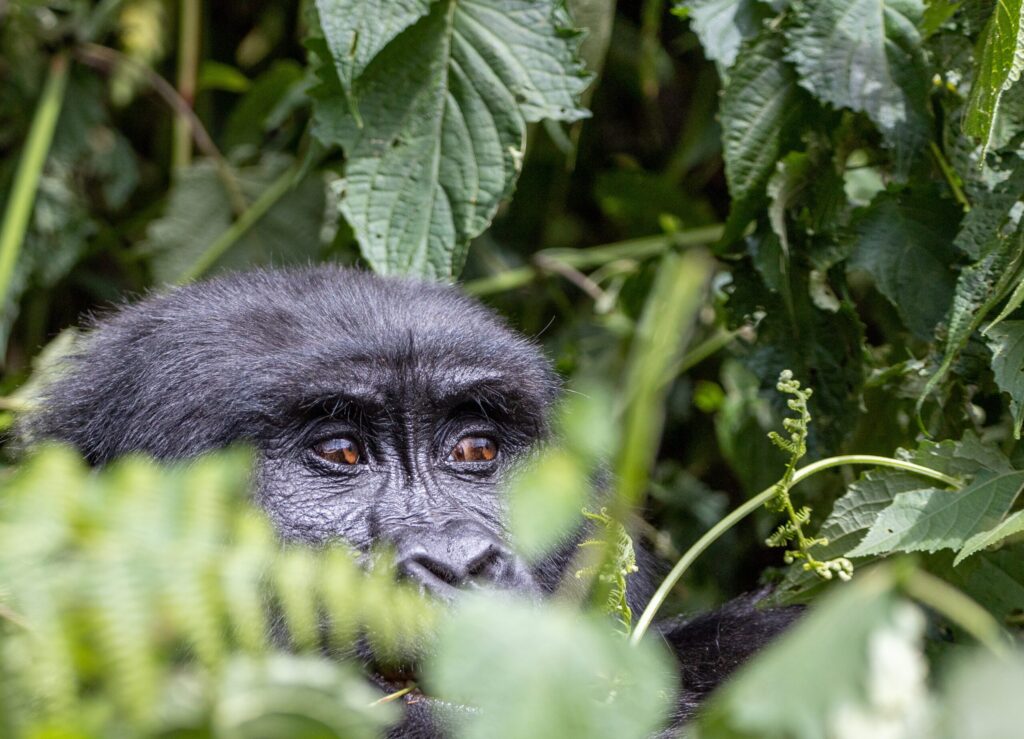
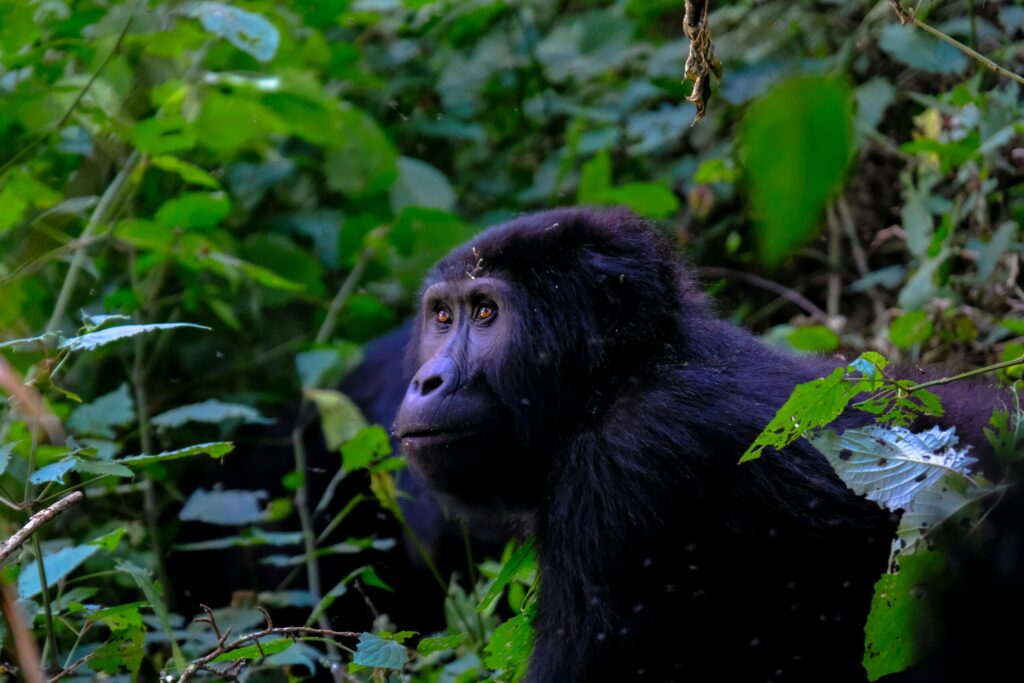
Most famously, Bwindi protects approximately 459 mountain gorillas—almost half of the world’s remaining population. This “impenetrable forest” is one of the best places on earth to experience gorilla trekking, offering visitors the chance to come face-to-face with these majestic primates in their natural habitat.
Experience Kibale Forest
Experience the Kanyanchu Primate Walk – Kibale’s Premier Wildlife Adventure
Kibale National Park is renowned for its extraordinary primate diversity, and the Kanyanchu Primate Walk stands as the park’s flagship experience. This immersive trek offers visitors a rare chance to encounter 13 different primate species, with diurnal monkeys such as red colobus, black-and-white colobus, L’Hoest’s monkey, and grey-cheeked mangabey frequently spotted in the forest canopy. However, the undisputed highlight of this walk is the Kibale chimpanzees—one of Uganda’s greatest wildlife spectacles.
Since 1993, the Kanyanchu chimpanzee community has been intensively monitored and habituated to human presence, significantly improving the chances of sightings. With a sighting success rate of over 90%, visitors are almost guaranteed an unforgettable encounter with these intelligent primates in their natural habitat.
Experience Lake Mburo National Park
Lake Mburo National Park: Uganda’s Compact Gem
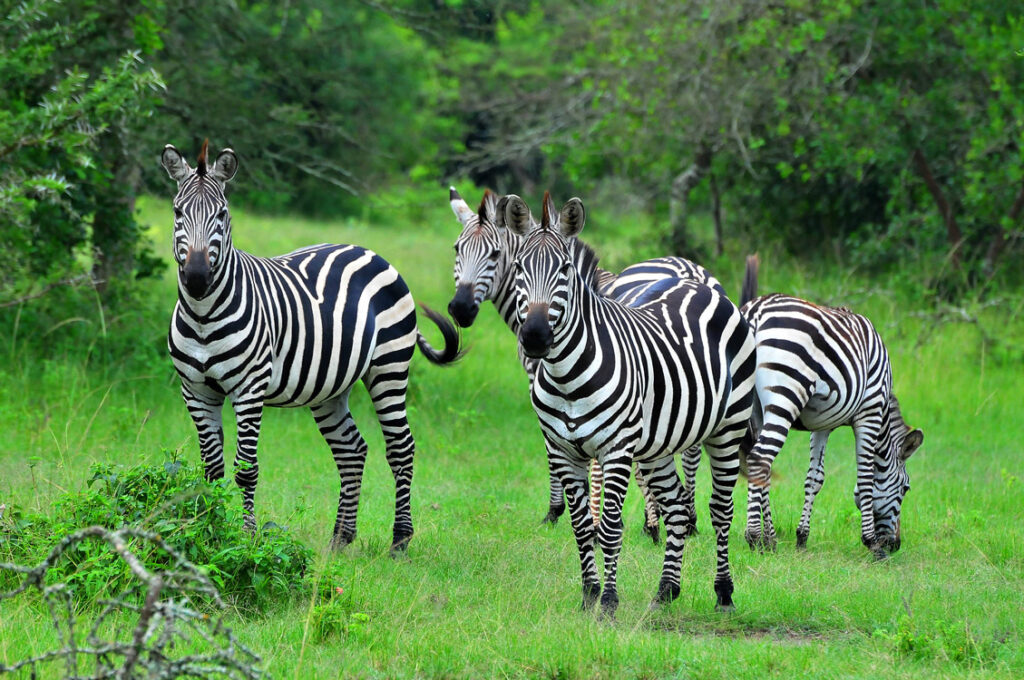
Lake Mburo National Park may be Uganda’s smallest savanna park, but it is rich in biodiversity, scenic beauty, and cultural significance. Conveniently located near the highway linking Kampala to western Uganda, the park offers an accessible yet immersive safari experience.
Despite its size, wetlands cover 20% of the park’s surface, forming part of a 50km-long wetland system connected by swamps and five lakes within the park’s borders. These diverse ecosystems support an incredible variety of wildlife, birds, and aquatic species, making Lake Mburo a must-visit destination for nature lovers and birdwatchers.
Experience Semuliki Natioanl park
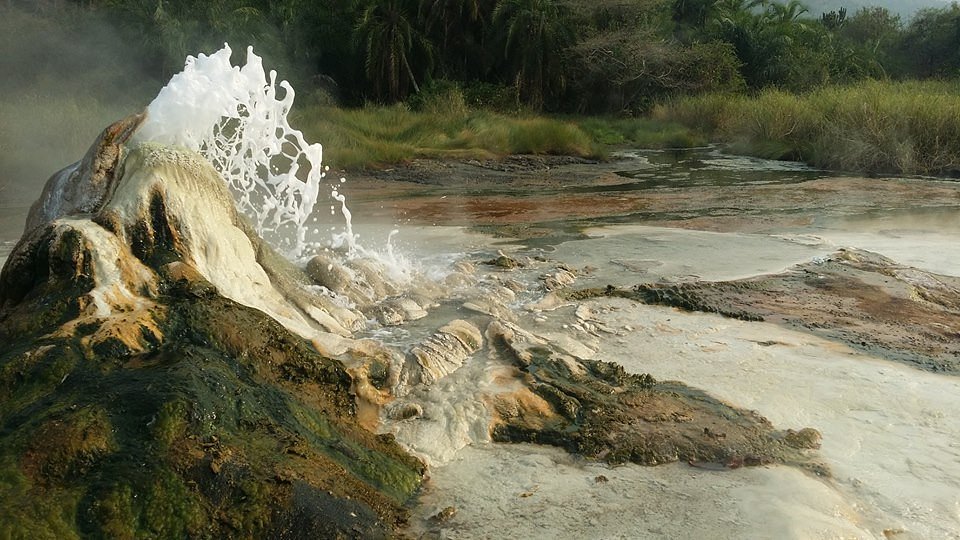
Semuliki National Park: The Gateway to Central Africa in Uganda
Semuliki National Park, established as a forest reserve in 1932 and upgraded to national park status in 1993, is East Africa’s only true lowland tropical rainforest. Situated on the remote western side of the Rwenzori Mountains, the park is dominated by the easternmost extension of the vast Ituri Forest of the Congo Basin. This is one of Africa’s most ancient and biodiverse forests, surviving the last Ice Age 12,000 to 18,000 years ago.
During the wet season, large sections of the park become flooded, offering a glimpse into the past, when the entire valley lay submerged beneath a prehistoric lake for over seven million years.
Experience Queen Elizabeth National Park
Queen Elizabeth National Park: Uganda’s Medley of Wonders
Queen Elizabeth National Park is Uganda’s most popular and biodiverse safari destination, offering breathtaking landscapes, abundant wildlife, and rich cultural heritage. Straddling the equator, the park features monuments marking the exact spot where it crosses latitude 00, adding to its uniqueness.
Originally founded as Kazinga National Park in 1952, it was renamed in 1954 to commemorate a visit by Queen Elizabeth II of England. Today, it stands as one of Africa’s greatest wildlife havens, home to over 95 mammal species and an astonishing 600+ bird species—making it a paradise for nature enthusiasts.
Experience Semuliki Natioanl park
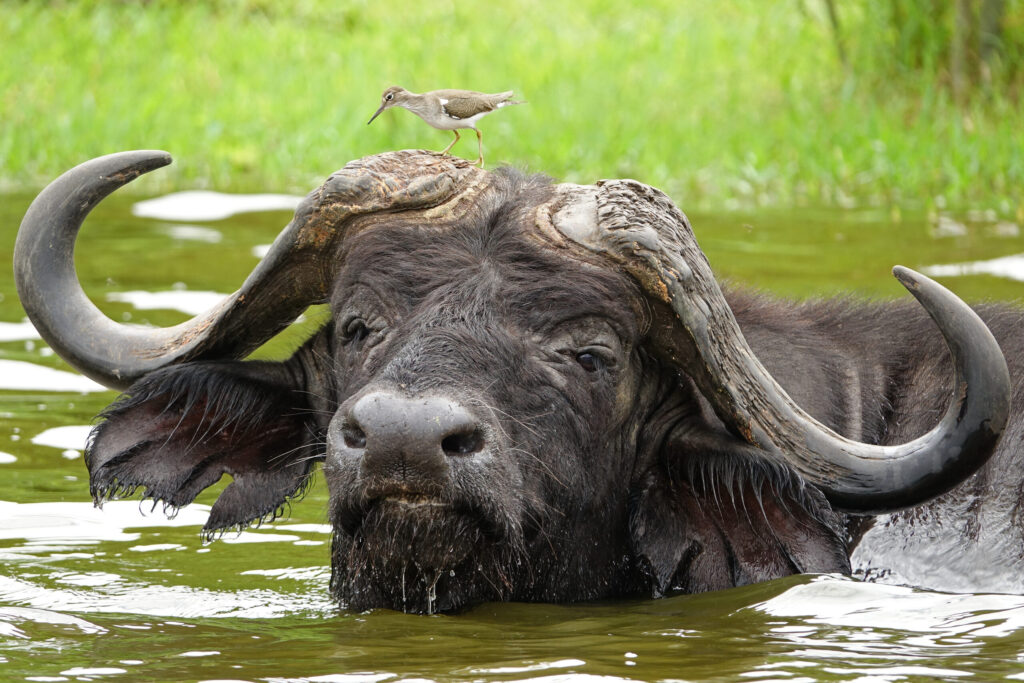
Semuliki National Park: The Gateway to Central Africa in Uganda
Semuliki National Park, established as a forest reserve in 1932 and upgraded to national park status in 1993, is East Africa’s only true lowland tropical rainforest. Situated on the remote western side of the Rwenzori Mountains, the park is dominated by the easternmost extension of the vast Ituri Forest of the Congo Basin. This is one of Africa’s most ancient and biodiverse forests, surviving the last Ice Age 12,000 to 18,000 years ago.
During the wet season, large sections of the park become flooded, offering a glimpse into the past, when the entire valley lay submerged beneath a prehistoric lake for over seven million years.
Experience Murchison Falls National Park
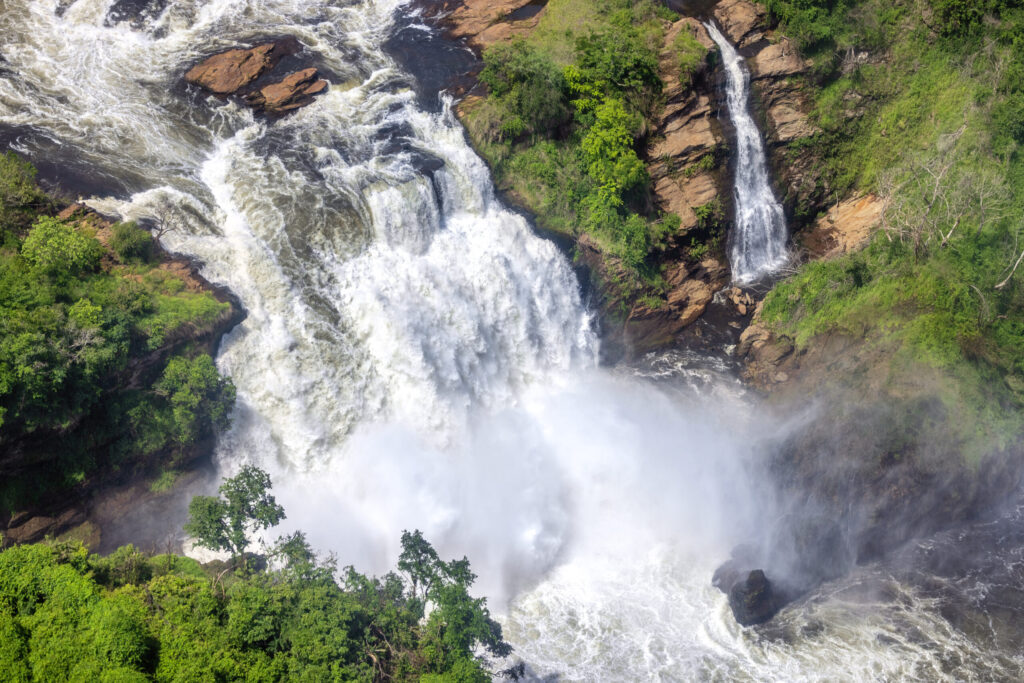
Murchison Falls National Park: Uganda’s Largest and Most Iconic Safari Destination
Murchison Falls National Park is Uganda’s oldest and largest conservation area, covering vast expanses of savanna, woodland, and riverine forests. Originally gazetted as a game reserve in 1926, the park was officially designated as one of Uganda’s first national parks in 1952. It lies at the northern end of the Albertine Rift Valley, where the Bunyoro escarpment descends into rolling, palm-dotted plains, offering one of the most dramatic landscapes in East Africa.
Experience Rwenzori Mountains
Rwenzori Mountains: The Legendary “Mountains of the Moon”
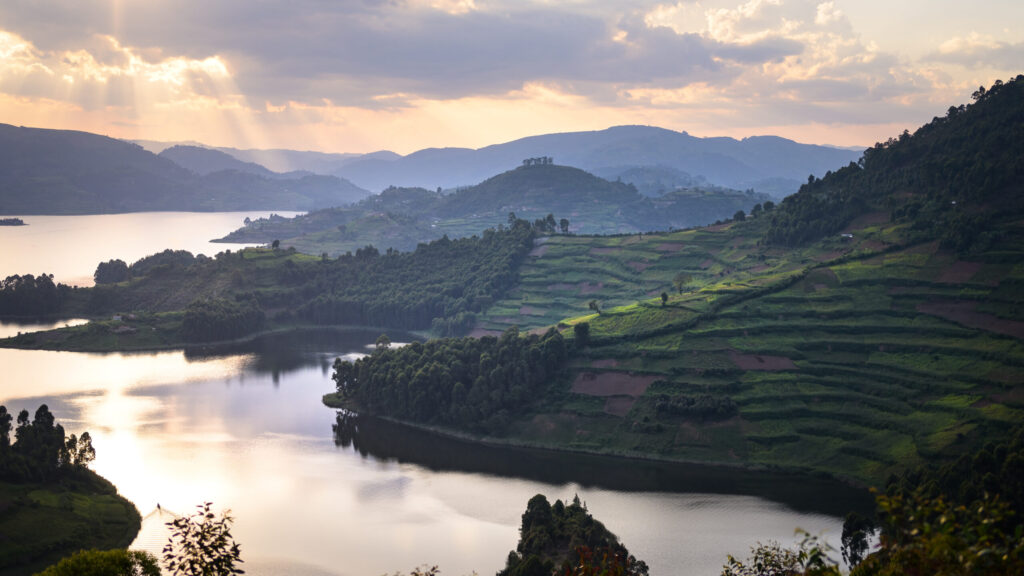
The Rwenzori Mountains, often called the “Mountains of the Moon,” rise majestically in western Uganda along the Uganda-DR Congo border. This 120km-long and 65km-wide mountain range is home to some of the most breathtaking and diverse landscapes in Africa, from equatorial snow-capped peaks to lush montane forests and moorlands.
The park was gazetted in 1991, declared a UNESCO World Heritage Site in 1994, and later designated a Ramsar Wetland of International Importance in 2008, highlighting its global ecological significance.
Experience Mount Elgon
Mount Elgon: A Timeless Giant of East Africa
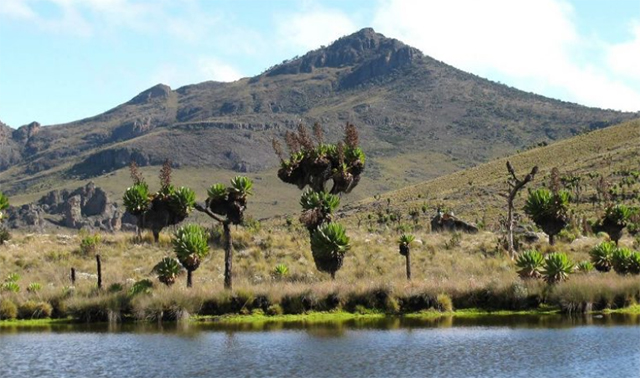
Mount Elgon is an extinct volcano and one of Uganda’s oldest geological formations, with its first eruption occurring around 24 million years ago. At one point in history, it was Africa’s tallest mountain, standing even higher than Kilimanjaro’s 5,895m. However, millions of years of erosion have gradually reduced its height to 4,321m, ranking it as the 4th highest peak in East Africa and the 8th highest on the continent.
Experience Mgahinga Gorilla National Park
Size: 33.7km2, making it Uganda’s smallest National Park.
The park takes its name from “Gahinga” – the local word for the piles of volcanic stones cleared from farmland at the foot of the volcanoes.
The British administration declared the area a game sanctuary in 1930; it was gazetted as a National Park in 1991.
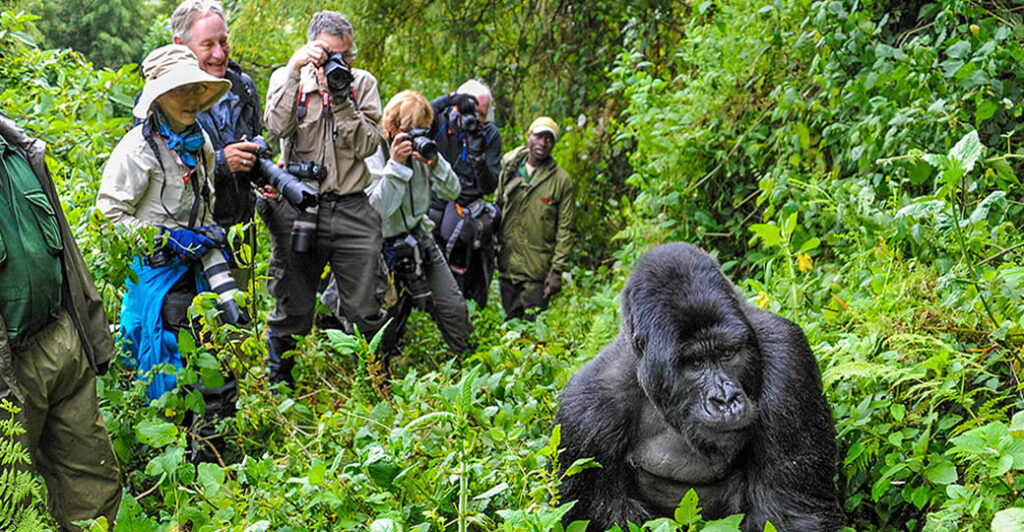
Mgahinga has one habituated transboundary gorilla group.
The Batwa were self-sufficient – and visitors can see how during a fascinating tour with a Batwa guide to learn the secrets of the forest.
Mgahinga Gorilla National Park sits high in the clouds, at an altitude of between 2,227m and 4,127m. As its name suggests, it was created to protect the rare mountain gorillas that inhabit its dense forests, and it is also an important habitat for the endangered golden monkey.